Indulgence Without Compromise: The Secret Behind Our Velvety Vegan Chocolate Mousse
There is something undeniably indulgent about a perfectly prepared chocolate mousse. Rich, silky and wonderfully light, it is a timeless dessert that has graced the menus of fine dining establishments for generations. But what if you could enjoy all that luxurious chocolate flavour and delicate texture without using eggs, cream or any dairy products?
At Colwick Hall Hotel in Nottingham, we believe exceptional food should be an experience that everyone can enjoy. Within the elegant surroundings of Byron’s Brasserie, our approach to dining brings together traditional culinary craftsmanship, contemporary techniques and a thoughtful appreciation of different dietary preferences.
One particularly delicious example is our Signature Dark Chocolate & Aquafaba Mousse, a plant-based interpretation of a classic French dessert.
Made using high-quality dark chocolate and an ingenious ingredient called aquafaba, this vegan chocolate mousse demonstrates that dairy-free desserts can deliver every bit as much flavour, sophistication and indulgence as their traditional counterparts.
Whether you are exploring plant-based cooking, searching for an easy vegan chocolate mousse recipe or simply curious about the secrets behind a beautifully light dessert, we are delighted to share a little inspiration from our kitchen.
The Art of Creating the Perfect Chocolate Mousse
The word mousse comes from the French word for foam, an appropriate description of the delicate, airy texture that makes this dessert so distinctive.
Traditional chocolate mousse recipes typically rely on whipped egg whites, double cream or a combination of both. These ingredients introduce air into the mixture, creating a light structure that contrasts beautifully with the richness of the chocolate.
However, achieving that same texture without animal-derived ingredients presents an interesting culinary challenge.
A successful vegan chocolate mousse must balance several essential qualities:
- Rich chocolate flavour: The chocolate should remain the star of the dessert, delivering depth and intensity without becoming overpowering.
- A light, airy texture: The mousse should feel delicate rather than dense or heavy.
- A smooth consistency: Every spoonful should be silky, with no graininess or unwanted lumps.
- A satisfying finish: The dessert should feel indulgent without becoming excessively sweet.
The secret lies in understanding how ingredients behave and how a little culinary science can transform something surprisingly simple into an elegant dessert.
For our plant-based chocolate mousse, that transformation begins with aquafaba.
What Is Aquafaba, and Why Is It Perfect for Vegan Desserts?
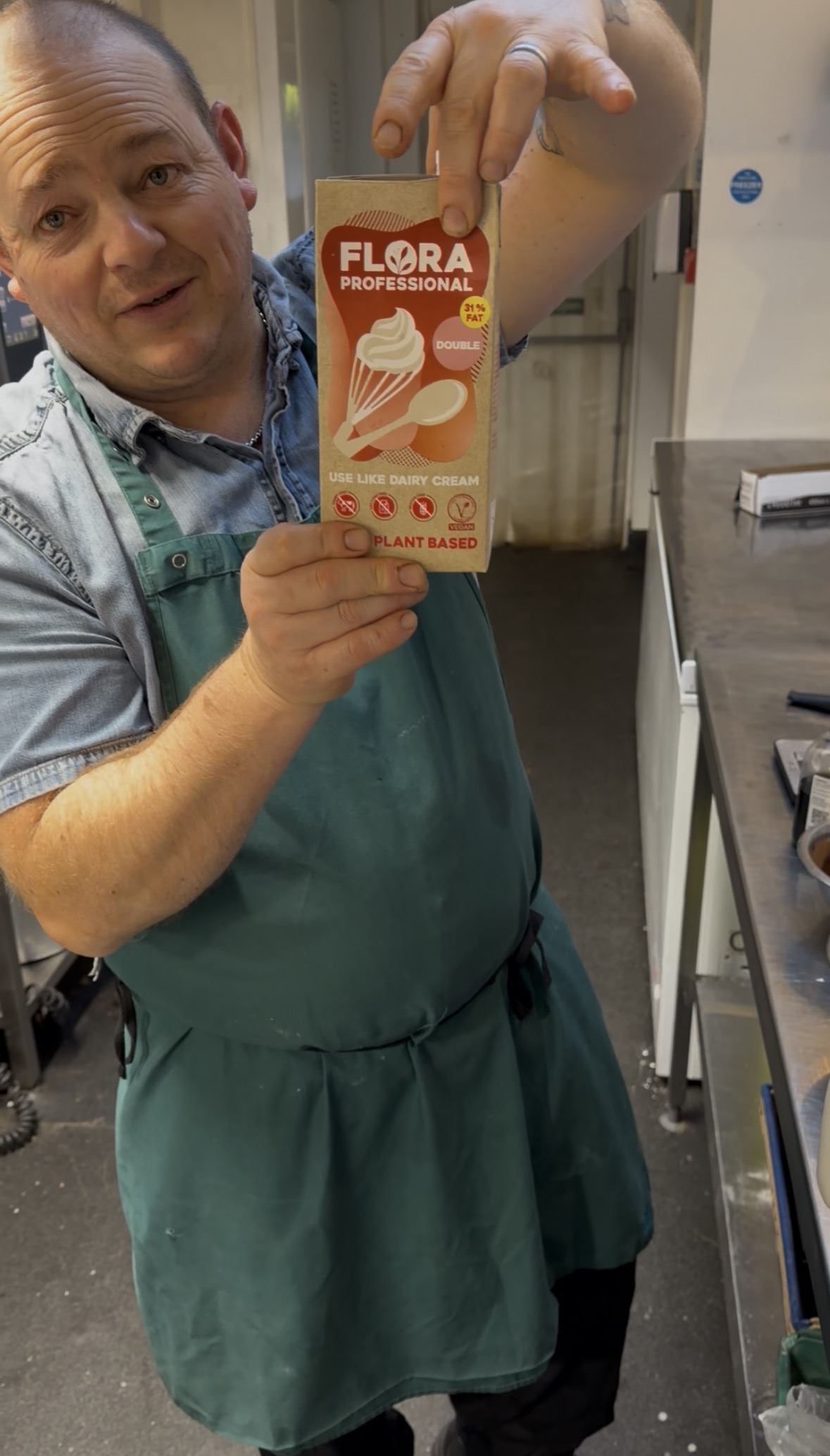
Aquafaba is the liquid produced when chickpeas or certain other pulses are cooked. The name comes from the Latin words aqua, meaning water, and faba, meaning bean.
Although it might seem an unlikely ingredient for a luxury chocolate dessert, aquafaba has become increasingly popular in plant-based patisserie because of its remarkable ability to mimic some of the properties of egg whites.
When whipped, aquafaba traps air and forms a foam that can develop into soft or stiff peaks, much like a traditional meringue.
This happens because the cooking liquid contains a mixture of soluble proteins, starches and other compounds released from the chickpeas. Together, these help stabilise the air bubbles created during whisking.
The result is an exceptionally useful ingredient for creating light, airy textures without eggs.
Does Aquafaba Make Chocolate Mousse Taste Like Chickpeas?
This is one of the most common questions people ask when discovering aquafaba for the first time.
Fortunately, the answer is generally no.
Although aquafaba may have a faint savoury aroma before preparation, its flavour is relatively neutral. Once combined with rich dark chocolate, a little sugar and vanilla, the chickpea character becomes extremely difficult to detect.
The finished mousse tastes predominantly of chocolate, with the smooth consistency and delicate structure you would expect from a carefully prepared dessert.
Why Use Aquafaba Instead of Dairy Cream?
Aquafaba offers several advantages in plant-based desserts.
It creates a light texture without relying on dairy products, making it suitable for vegan diets when combined with other appropriate ingredients.
It also provides an excellent way to make use of an ingredient that might otherwise be discarded after draining a tin of chickpeas.
For home cooks, this makes aquafaba an accessible and economical ingredient that opens up an exciting range of culinary possibilities.
From vegan meringues and macarons to marshmallow-style confections and chocolate mousses, its versatility continues to inspire creative cooking.
Why the Quality of Dark Chocolate Matters
When a recipe contains only a handful of ingredients, the quality of each one becomes particularly important.
For our vegan chocolate mousse, we recommend using high-quality dark chocolate containing approximately 70% cocoa solids or more.
Chocolate with a higher cocoa percentage generally provides a deeper, more complex flavour, with less reliance on added sweetness.
Depending on its origin and production, good dark chocolate may offer subtle notes of roasted coffee, dried fruit, nuts or gentle bitterness.
These characteristics help create a sophisticated dessert with a flavour that develops as you enjoy it.
However, it is important to remember that not every dark chocolate is vegan.
Some varieties contain milk ingredients, so always check the packaging if preparing the dessert for someone following a strictly plant-based diet.
For the best results, choose a chocolate that you genuinely enjoy eating on its own. Its flavour will define the finished mousse.
Our Vegan Dark Chocolate & Aquafaba Mousse Recipe
If you would like to recreate a little of the indulgence associated with Byron’s Brasserie in your own kitchen, this straightforward recipe is an excellent place to begin.
Despite its elegant appearance, the mousse requires just four principal ingredients and a little patience.
Preparation time: Approximately 20–25 minutes
Chilling time: 4–6 hours
Servings: Approximately 4–6, depending on portion size
Dietary suitability: Vegan and dairy-free when suitable ingredients are used
Ingredients
- 200g high-quality vegan dark chocolate, preferably 70% cocoa solids or higher
- 150ml chilled aquafaba, taken from a tin of chickpeas
- 2 tablespoons fine caster sugar
- 1 teaspoon vanilla bean paste
Optional garnishes:
- Fresh raspberries
- Raspberry coulis
- Crushed or candied hazelnuts
- Freeze-dried berries
- Edible gold leaf
- Finely grated dark chocolate
Step 1: Gently Melt the Chocolate
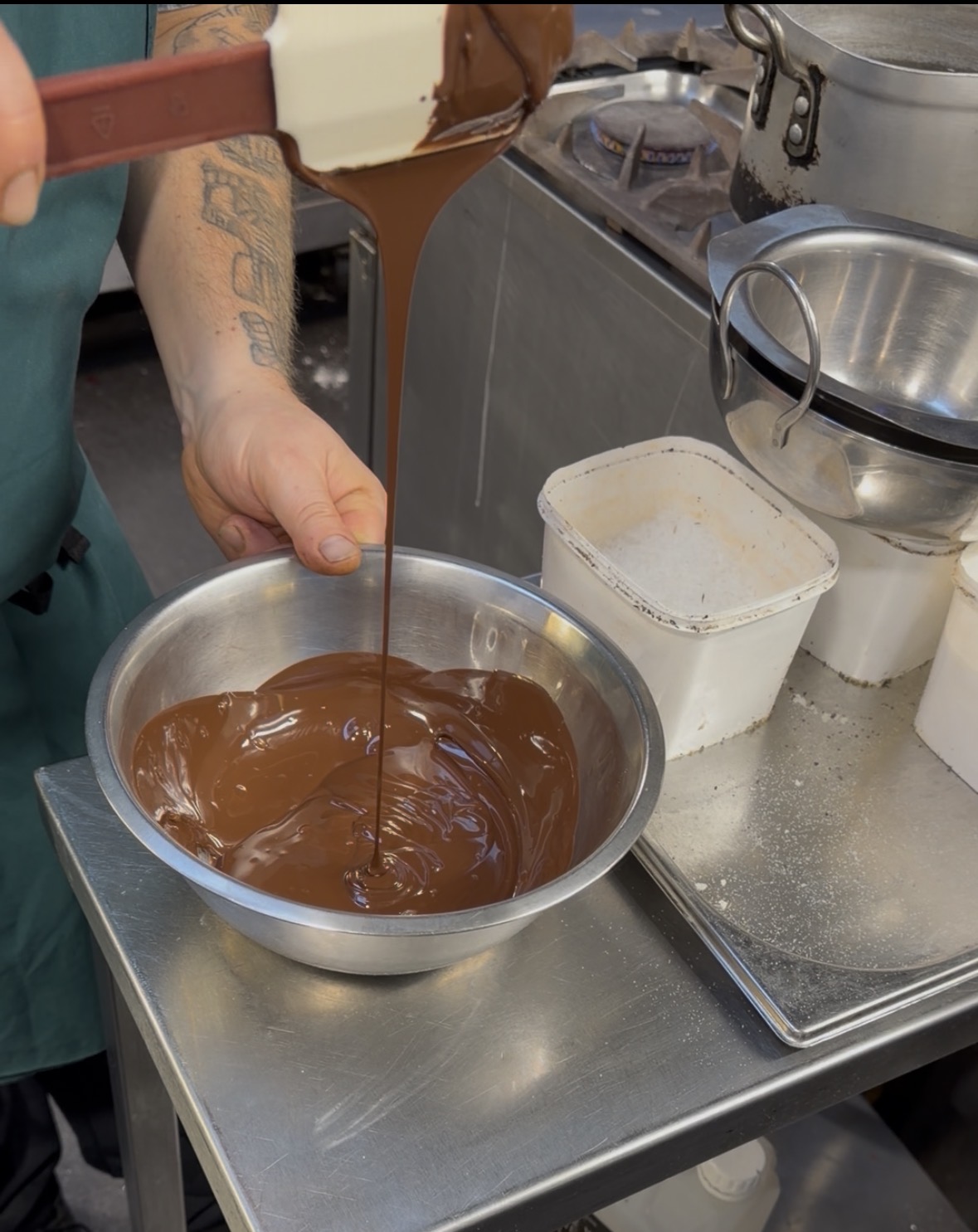
Break the dark chocolate into small, evenly sized pieces and place them in a heatproof bowl.
Position the bowl over a saucepan containing a little gently simmering water, ensuring the base of the bowl does not touch the water.
This technique, known as a bain-marie, allows the chocolate to melt gradually using indirect heat.
Stir occasionally until the chocolate becomes smooth and glossy.
Remove the bowl from the heat and allow the chocolate to cool until it is barely warm but remains fluid.
Chef’s tip: Chocolate that is too hot can collapse the delicate air bubbles in the whipped aquafaba. Chocolate that has cooled too far may begin to thicken or set, making it difficult to incorporate smoothly. Finding the balance is essential.
Step 2: Whip the Aquafaba
Pour the chilled aquafaba into a completely clean, grease-free glass or stainless steel mixing bowl.
Using an electric whisk, beat the liquid until it begins to turn white and frothy.
Continue whisking until soft peaks start to form.
Gradually add the caster sugar, a little at a time, followed by the vanilla bean paste.
Keep whisking until the mixture becomes glossy and forms stiff peaks that hold their shape.
This stage may take several minutes, depending on your equipment and the consistency of the aquafaba.
Chef’s tip: Any traces of oil or grease in the mixing bowl can interfere with the formation of a stable foam. Clean equipment makes a noticeable difference.
Step 3: Carefully Combine the Chocolate and Aquafaba
This is arguably the most important stage of the recipe.
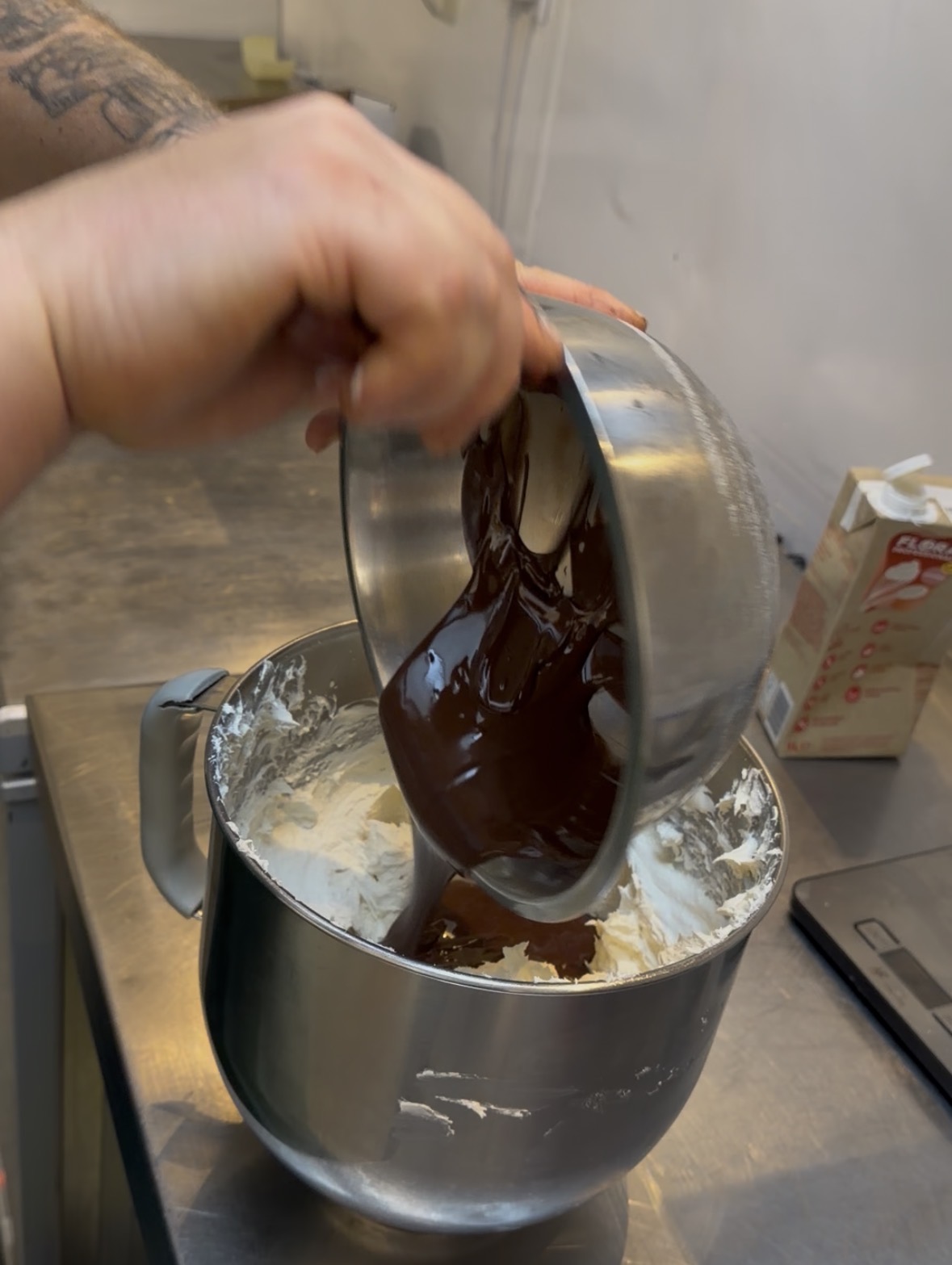
Begin by adding approximately one-third of the whipped aquafaba to the cooled melted chocolate.
Gently mix to loosen the chocolate and make it easier to combine with the remaining foam.
Next, add the rest of the aquafaba in two stages.
Using a silicone spatula, fold the mixture together with slow, sweeping movements, lifting from the bottom of the bowl and turning the mixture over itself.
Avoid vigorous stirring, which can knock out the air responsible for the mousse’s light texture.
Continue until the ingredients are evenly incorporated and no obvious streaks remain.
The mixture may initially appear slightly softer than expected, but it will become firmer as the chocolate sets during chilling.
Step 4: Chill Until Perfectly Set
Carefully spoon or pipe the mousse into individual ramekins, dessert glasses or elegant coupe glasses.
Cover and refrigerate for at least four to six hours.
For the best results, leave the mousse overnight. This gives the chocolate time to set and allows the flavours to develop.
Once chilled, the mousse should have a delicate, spoonable consistency that feels rich and velvety without becoming excessively heavy.
How to Serve Vegan Chocolate Mousse Like a Restaurant Dessert
Presentation plays an important part in transforming a simple homemade dessert into something memorable.
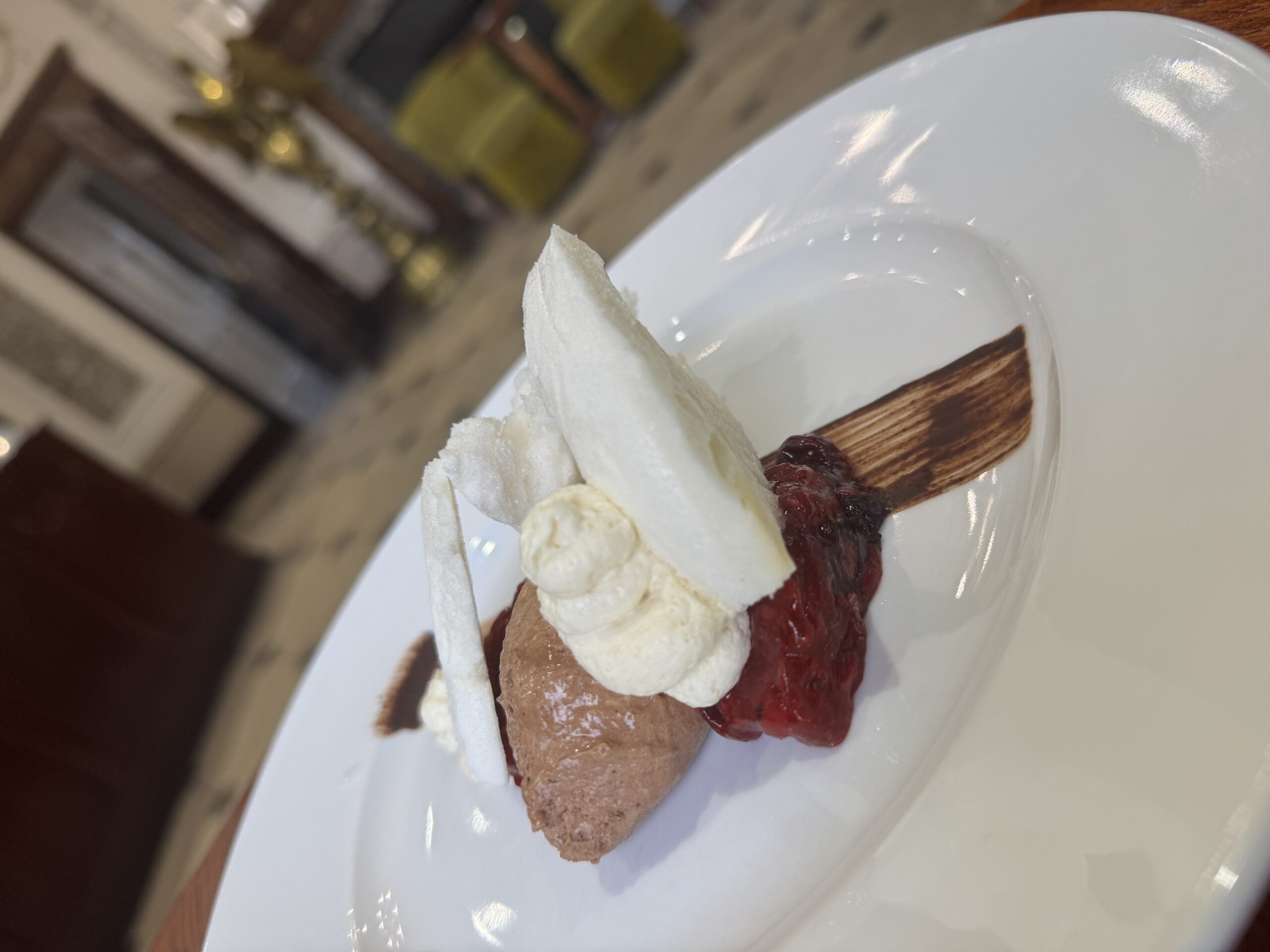
At Colwick Hall, our approach to dessert presentation celebrates contrasts in flavour, colour and texture.
For our signature chocolate mousse, a sharp raspberry coulis provides a particularly effective accompaniment.
The natural acidity of raspberries cuts through the richness of the dark chocolate, creating a pleasing balance between sweet, bitter and fruity notes.
Candied hazelnuts introduce a satisfying crunch, while freeze-dried berries provide colour and a concentrated burst of fruit flavour.
For an especially elegant finish, a little edible gold leaf can add a subtle touch of luxury.
When serving at home, consider presenting the mousse in small glasses rather than large bowls. A modest portion of intensely flavoured chocolate mousse can be far more satisfying than an oversized serving.
For a nut-free presentation, omit the hazelnuts and check the allergen information of all ingredients. Those with serious allergies should also consider potential cross-contact.
Common Mistakes When Making Vegan Chocolate Mousse
Although this recipe is relatively simple, a few small mistakes can affect the finished texture.
Why Is My Aquafaba Not Whipping?
Aquafaba can vary considerably in consistency between brands.
If the liquid is particularly thin, it may struggle to develop stable peaks. A slightly thicker liquid generally produces better results.
Ensure the mixing bowl is grease-free and allow sufficient whisking time before deciding that the mixture is not working.
Why Has My Chocolate Mousse Become Grainy?
Graininess can occur when the chocolate begins to set too quickly as it comes into contact with the cooler aquafaba.
To reduce this risk, allow the chocolate to cool sufficiently without becoming cold or thick.
Incorporating a small portion of the aquafaba first helps bring the two mixtures together more smoothly.
Why Is My Vegan Mousse Too Runny?
A mousse that has not been chilled long enough may remain softer than expected.
However, an overly runny texture can also result from aquafaba that was insufficiently whipped or from excessive mixing that caused the foam to collapse.
Be patient during the whisking stage and gentle during folding.
Can You Make Vegan Chocolate Mousse in Advance?
Absolutely.
In fact, this is an ideal dessert to prepare ahead of a dinner party.
Making the mousse the evening before allows plenty of time for chilling and setting, while leaving you free to concentrate on other elements of your meal.
Store the mousse covered in the refrigerator and, as a practical guide, enjoy within two to three days, provided the ingredients have been handled and stored safely.
Add fresh garnishes shortly before serving to preserve their appearance and texture.
The Growing Appeal of Plant-Based Fine Dining
Plant-based dining has developed considerably in recent years.
What was once regarded as a specialist dietary preference has become an important part of contemporary food culture, with chefs exploring new ways to create exciting dishes using vegetables, fruits, pulses, grains and other plant-derived ingredients.
For many diners, choosing a vegan dish is not necessarily about following an exclusively vegan lifestyle.
Some simply enjoy discovering different flavours, experimenting with new ingredients or incorporating more plant-based meals into their routine.
This creates an opportunity for restaurants to approach vegan cooking as a form of culinary creativity rather than a collection of restrictions.
Desserts are an especially interesting example.
Traditional patisserie has long relied on butter, eggs and cream, but alternative ingredients now allow chefs to explore different textures and techniques while preserving the sense of indulgence that makes desserts so enjoyable.
Aquafaba chocolate mousse demonstrates this beautifully.
It is not simply a substitute for a conventional chocolate dessert. When prepared carefully, it is a delicious creation in its own right.
A Taste of Refined Dining at Colwick Hall, Nottingham
Great dining is about much more than the food on the plate.
The surroundings, atmosphere, service and sense of occasion all contribute to an experience that stays with guests long after their meal has finished.
At Colwick Hall Hotel, these elements come together in one of Nottingham’s most distinctive historic settings.
Our magnificent Grade II* listed Georgian country house, once the ancestral home of the poet Lord Byron, stands within approximately 60 acres of beautiful parkland, just a short distance from Nottingham city centre.
Within the Hall, Byron’s Brasserie provides an elegant setting for relaxed lunches, memorable dinners, special celebrations and traditional afternoon tea.
The character of the building, combined with our approach to contemporary British dining, creates an atmosphere that feels both welcoming and wonderfully special.
Our vegan chocolate mousse reflects the philosophy behind thoughtful modern dining: respecting the qualities of traditional recipes while remaining open to new ingredients, techniques and ideas.
Whether you are celebrating a birthday, arranging a romantic meal, treating a loved one to afternoon tea or simply looking for somewhere memorable to dine in Nottingham, Colwick Hall offers a setting in which food and occasion can be enjoyed together.
Guests with specific dietary requirements are encouraged to contact our team in advance so that suitable menu options and any allergen considerations can be discussed.
Frequently Asked Questions About Vegan Chocolate Mousse
What is vegan chocolate mousse made from?
Vegan chocolate mousse can be made using dark chocolate and plant-based ingredients such as aquafaba, silken tofu, coconut cream or avocado. Our featured recipe uses dark chocolate, whipped chickpea liquid, caster sugar and vanilla to create a rich, airy dessert without eggs or dairy.
What is aquafaba?
Aquafaba is the liquid left after cooking chickpeas or other pulses. It contains compounds that allow it to foam when whisked, making it a useful plant-based alternative to egg whites in recipes such as meringues and chocolate mousse.
Can you make chocolate mousse without eggs or cream?
Yes. Whipped aquafaba can create the airy structure normally associated with egg whites, while good-quality dark chocolate provides richness and flavour. This allows you to prepare a luxurious chocolate mousse without eggs or dairy cream.
Does vegan chocolate mousse taste different from traditional mousse?
A well-made vegan chocolate mousse can taste remarkably similar to a traditional version. Dark chocolate provides the dominant flavour, while whipped aquafaba creates a delicate texture. Differences are more likely to come from the type of chocolate used and the balance of ingredients.
Is dark chocolate always vegan?
No. Although many dark chocolates contain no dairy ingredients, some manufacturers add milk or other animal-derived ingredients. Always check the label before using dark chocolate in a vegan recipe.
Is aquafaba chocolate mousse gluten-free?
The basic ingredients in this recipe do not inherently require gluten. However, anyone preparing the dessert for someone with coeliac disease or gluten intolerance should check all ingredient labels and consider potential cross-contamination.
How long does vegan chocolate mousse take to set?
Most aquafaba chocolate mousses need approximately four to six hours in the refrigerator. Leaving the dessert overnight can produce a firmer, more consistent texture.
Where can I enjoy afternoon tea and dining at Colwick Hall in Nottingham?
Colwick Hall Hotel is located at Colwick Park, Racecourse Road, Nottingham, NG2 4BH. Byron’s Brasserie offers dining and afternoon tea experiences within the historic country house. Menus and dietary options can vary, so guests should check availability and discuss specific requirements before booking.
Experience a Little Indulgence at Byron’s Brasserie
At Colwick Hall, we believe the finest dining experiences are those that bring together wonderful flavours, thoughtful preparation and a setting that makes every occasion feel special.
Our Signature Dark Chocolate & Aquafaba Mousse is a celebration of that philosophy, demonstrating how a handful of carefully chosen ingredients can be transformed into something truly indulgent.
We hope this recipe inspires you to explore the possibilities of plant-based patisserie in your own kitchen.
And when you would rather leave the cooking to us, we look forward to welcoming you to Byron’s Brasserie at Colwick Hall, where historic charm, contemporary cuisine and Nottingham hospitality come together.
Discover dining and afternoon tea at Colwick Hall Hotel, Nottingham, and contact our team to plan your next visit.